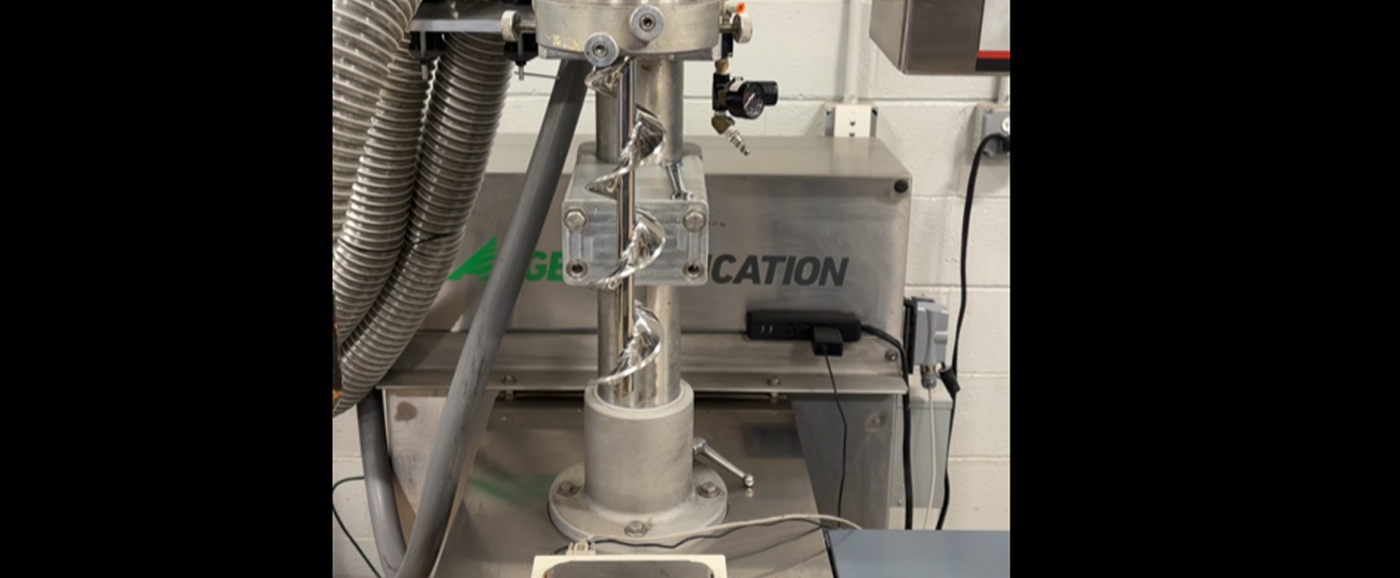
Understanding Cone Cut Off Assemblies: When and Why to Use Them
Products that leak at the end of the fill or fluidize during production can be tough to manage.
When working with products that have a tendency to leak at the end of the fill or materials that fluidize during production, having the right cutoff solution is critical. One proven option is the cone cut off assembly.
Cone cut off assemblies are designed to provide a clean, controlled shutoff for challenging products. They’re especially helpful when traditional cutoff methods struggle to prevent dripping or product loss after the fill cycle is complete. By closing off the flow more precisely, these assemblies help improve consistency, reduce waste, and keep production lines cleaner.
Another key advantage of cone cut off assemblies is their compact design. In applications where space is limited, this style of cutoff can be an effective solution without requiring major changes to existing equipment layouts. For that reason, they’re often selected for retrofits or systems where footprint constraints are a concern.
This video walks through how an old-style cone cutoff assembly works and how it’s set up. While it’s possible to explain the process with diagrams and written instructions, seeing it in action makes the operation much clearer. A short video can save a lot of words and time when it comes to understanding proper use and adjustment.
Whether you’re troubleshooting a leaking product, working with fluidized materials, or revisiting older equipment designs, this video serves as a helpful reference for understanding cone cut off assemblies and how they function in real-world production environments.